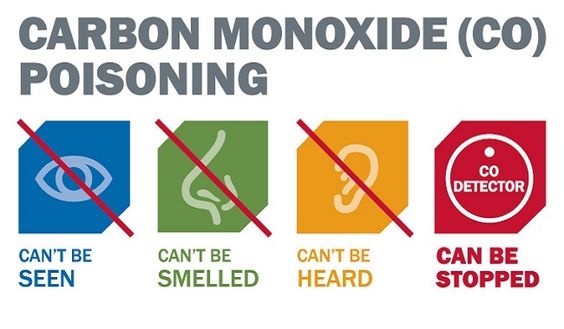
Carbon monoxide (CO) is a poison gas that is a by-product of appliances, heaters, and automobiles that burn gasoline, natural gas, wood, oil, kerosene or propane. It has no color, no taste and no odor.
Each year in the United States, around 50,000 people go to emergency departments for
carbon monoxide poisoning, and more than 400 people die from it.
Carbon monoxide: why kids are at higher risk
When your child breathes carbon monoxide, it harms the ability of their blood to transport oxygen. Although everyone is at risk for carbon monoxide poisoning, it is particularly dangerous for children because they breathe faster and inhale more CO per pound of body weight. Fortunately, there are steps you can take to help protect your family from CO poisoning.
The American Academy of Pediatrics (AAP) encourages families and communities to work together to protect children against carbon monoxide poisoning, especially during a crisis or disaster when the
power goes out.
The risk of carbon monoxide poisoning goes up after disasters, when gasoline- or diesel-powered generators are used as alternative sources of fuel or electricity for heating or cooking. This can cause carbon monoxide to build up in a house or garage.
Carbon monoxide detectors
To protect against carbon monoxide poisoning or exposure, your home should have at least one carbon monoxide detector on each floor. If you have a battery-operated detector, remember to change the batteries every 6 months. Keep in mind that plug-in detectors might not go off if there is a carbon monoxide leak while your power is out.
If your detector alarm goes off, leave the house immediately, and call 911. If it is cold outside, you can wait at a neighbor's house or in your car until the fire department arrives. If you wait in a car, make sure it is parked outside, as carbon monoxide fumes from the car's exhaust can quickly fill up a garage, even if the garage door is open.
Source: Center for Disease Control and Prevention
Tips to prevent problems with carbon monoxide in the home & other environments
Carbon monoxide poisonings most often happen in the home. CO in fumes produced by furnaces, kerosene heaters, vehicles "warmed up" in garages, stoves, lanterns, and gas ranges, portable generators, or by burning charcoal and wood. CO from these sources can build up in enclosed or partially enclosed spaces. Reduce your family's exposure to CO by following the recommendations below.
Fuel-burning appliances
Forced-air furnaces should be checked by a professional once a year or as recommended by the manufacturer. Pilot lights can produce carbon monoxide, so they should be kept in good working order.
All fuel-burning appliances (such as gas water heaters, gas stoves, gas clothes dryers) should be checked professionally once a year or as recommended by the manufacturer.
Gas cooking stove tops and ovens should not be used for supplemental heat.
Fireplaces & woodstoves
Fireplaces and woodstoves should be checked professionally once a year or as recommended by the manufacturer.
Check to ensure the flue is open during operation. Proper use, inspection, and maintenance of vent-free fireplaces (and space heaters) are recommended.
Space heaters
Fuel-burning space heaters should be checked professionally once a year or as recommended by the manufacturer.
Space heaters should be properly vented during use, according to the manufacturer's specifications.
Automobiles & other motor vehicles
Regular inspection and maintenance of the vehicle exhaust system are recommended. Many states have vehicle inspection programs to ensure this practice.
Never leave an automobile running to "warm up" in the garage or other enclosed space; CO can build up in a home even when a garage door is open.
Generators & other fuel-powered equipment
Follow the manufacturer's recommendations when operating generators and other fuel-powered equipment.
When the power goes out, keep your generator outside. Portable back-up generators produce CO.
Always set up a generator at least 20 feet from your house.
Barbecue grills & hibachis
Never use barbecue grills or hibachis indoors.
Never use barbecue grills or hibachis in poorly ventilated spaces such as garages, campers, and tents.
Boats
Be aware that CO poisoning can mimic symptoms of sea sickness.
Schedule regular engine and exhaust system maintenance.
Consider installing a CO detector in the accommodation space on the boat.
Never swim under the back deck or swim platform as CO builds up near exhaust vents.
Talk with your pediatrician
If you're concerned about carbon monoxide, talk with your pediatrician. Your regional Pediatric Environmental Health Specialty Unit (PEHSU) have staff who can also talk with parents about concerns over environmental toxins.
More information