By: Mark Hudak, MD, FAAP
If you're expecting a baby, you are already thinking about the steps needed to safeguard their health. Part of this is knowing about the screening tests your child will have before leaving the hospital.
What is the purpose of newborn screening tests?
Newborn screening aims to identify infants who may look healthy but who have a rare health condition that if untreated may cause serious harm or may even be life-threatening. Simple tests can uncover health issues that should be treated as soon as possible to give children the best possible chance for healthy growth and development.
Here are questions that parents and caregivers often have about newborn screening tests and their child's health.
When will my baby be tested?
Newborn screening tests usually are performed when babies are one to two days old. If your baby is born in a hospital, testing will probably occur before you go home. If you're planning to deliver at home or in a birthing center, or you leave the hospital in less than 24 hours, your baby's pediatrician can help you schedule these tests. Some states require a second round of tests about one to two weeks after the first tests are taken.
How are newborn screening tests done?
Newborn screening tests are done in three parts:
Blood test. A health care professional will draw a few drops of blood from your baby's heel, which will be sent to a lab for testing. Results are usually ready by the time your baby is five to seven days old.
Hearing test. Using tiny earphones and special software, the medical team will check to see how your baby responds to sound.
Heart screening. This test is used to look for heart conditions known as critical congenital heart defects, or CCHDs. A simple test uses a method known as pulse oximetry to check the level of oxygen in your baby's blood.
Will the blood test be painful for my baby?
Most infants feel brief discomfort from the heel stick, but it heals quickly without leaving a scar. Studies show that when parents or health professionals comfort babies during the procedure, they are less likely to cry. You can hold your baby during the procedure and even feed or nurse to keep them comfortable.
Are all babies tested for the same health conditions?
Newborn screening requirements are set by each state. Most states do blood screening for at least 31 of the 35 conditions recommended by the Advisory Committee on Heritable Disorders in Newborns and Children, part of the U.S. Department of Health and Human Services. All states screen for hearing loss and for CCHD.
Although specific tests vary from state to state, testing generally focuses on health concerns that might affect your baby's:
Hearing
Heart function
Metabolism (the way the body converts food and drink into the energy your baby needs to move, think and grow)
Hormones (chemicals made by the body that guide essential processes such as growth and development)
Hemoglobin (the substance in red blood cells that carries oxygen throughout your child's body)
Your pediatrician can answer questions you may have about screening tests and the health conditions they can help detect. You can also visit
babysfirsttest.org for a summary of your state's newborn screening requirements.
What happens if my baby's test shows signs of a health problem?
Most babies are born healthy and their screening tests do not identify any abnormal health conditions. If your baby's test results fall outside the normal range, this doesn't automatically mean they have a health condition. The next step is to do a second and more accurate specific diagnostic test.
In many cases, the second test reveals no issues. If the test suggests that there is a health condition, your child's medical team will explain the results and the steps needed to protect their health.
Can families opt out of screening tests?
Newborn screening is required by law in all 50 states. The
March of Dimes reports that nearly 4 million infants are tested each year. The American Academy of Pediatrics (AAP) strongly recommends newborn screening as the best way to detect ahealth problems that can cause serious lifelong disabilities and, in some cases, end a child's life.
States do allow parents and legal guardians to refuse testing in writing, usually on religious grounds. Your pediatrician may be able to help you weigh any concerns against the health benefits of newborn screening tests.
More information
About Dr. Hudak
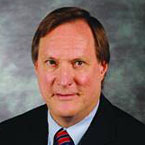 Mark Hudak, MD, FAAP, is a neonatologist, clinician-scientist, and Professor of Pediatrics at the University of Florida College of Medicine - Jacksonville. He is a past Chair of the American Academy of Pediatrics (AAP) Committee on Child Health Financing and the Executive Committee of the Section on Neonatal Perinatal Medicine, a current member of the Committee on Fetus and Newborn, and a member of the Executive Committee of the Florida Chapter of the AAP.