By: Tanyaporn (Katie) Kaenkumchorn, MD, FAAP & Jennifer Anderson, MSPH, RDN
Toddlers need important nutrients to build their brains and bodies. Children this age use a lot of energy to grow and play, but they have small stomachs. They may not be able to eat enough at mealtime to make it between lunch and dinner.
Every toddler is different. Many toddlers need an afternoon snack. Some toddlers also need a morning snack.
Here are some ideas to help you build snacks for your hungry toddler that offer a healthy balance of the nutrients they need.
How to put balanced snacks together
Children sometimes come to think of a "snack" as a time to eat highly
processed foods. You can help avoid this trap by serving a variety of healthy, freshly prepared foods to your kids—even at snack time.
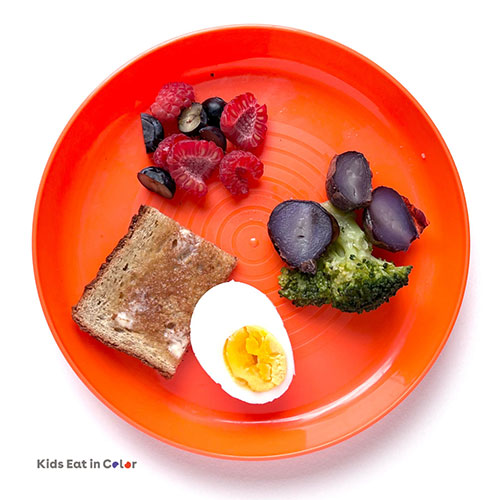 To make a balanced snack for your toddler, you can include:
a protein food (includes dairy foods)
a fruit and/or vegetable and
a grain or starchy vegetable
Keep in mind that not every snack needs to be a mini-meal; a balanced diet can be achieved over the course of the entire day. When you serve snacks with fruits and veggies, whole grains, beans and proteins, though, you know your toddler is on the right nutritional track.
Some balanced snacks you can put together using key food categories:
Fruits
Apples, peaches, plums, pears (all thinly sliced)
Grapes, grape tomatoes, berries (all smashed or cut lengthwise)
Oranges, grapefruit sections (cut into pieces)
Bananas (sliced lengthwise)
Frozen fruit (defrosted and cut into pieces)
Avocado (sliced)
Dried apricots, peaches, pears, dates, prunes, raisins (pitted and cut into small pieces)
Rinsed canned fruits
Example combinations
Vegetables
Carrots, green beans, cauliflower, broccoli (steamed until soft)
Yams or sweet potatoes (cooked and diced)
Peas (cooked and smushed)
Steamed spinach or greens (pureed)
Rinsed canned vegetables
Example combinations
Dairy products
Example combinations
Grains
Tortillas, pita bread, whole wheat bread
Rice, corn, quinoa, grits (cooked)
Hot cereals
No or low-sugar whole grain cold breakfast cereals soaked in milk
Example combinations
Proteins
Salmon and sardines
Chunk light (skipjack) tuna can be served once per month. Tuna fish can be higher in mercury, which is not good for toddlers.
(See "Healthy Fish Choices for Kids.")
Peanut butter, nut and seed butters (spread thinly)
Edamame, chickpeas, beans (cooked and mashed)
Lentils
Hummus
Cooked tofu cubes
Eggs (scrambled or hard boiled and cut)
Chicken, turkey, pork, beef, lamb (cooked and diced)
Ground nuts and seeds (mixed into foods)
Example combinations
Toddler serving sizes
Serve toddlers small portions to start, such as three quartered strawberries and ⅛ of a quesadilla.
If your child finishes this, they will decide if they are still hungry and ask for more. If they don't finish this, they are full. Let them stop eating.
Because you are serving snacks with fruits and veggies, whole grains, beans and proteins, it's okay to let them fill up at snack time.
Foods to avoid with toddlers
Choking hazards
Big chunks of food, and hard, round, and slippery foods are a
choking hazard for children under 4 years old. Cook or cut up these foods to minimize choking risk. Avoid whole nuts, spoons of peanut butter, and popcorn until age 4.
Sugary, salty & overly processed foods
Toddlers don't need added sodium or
sugar. For health reasons, avoid added sodium and sugar until they are 2 years old.
Foods like salty crackers, chips, cookies, pastries and cakes can be fun sometimes, but your child will eat these when they are older. Serve these foods less often.
Best beverages for toddlers
Serve snacks with
water or milk. Delay serving juice until age 2 to help protect your child's teeth and avoid developing a preference for sweet drinks. (See "Recommended Drinks for Children Age 5 & Younger.")
More information
About Dr. Kaenkumchorn
 Tanyaporn (Katie) Kaenkumchorn, MD, FAAP is a board-certified pediatrician and pediatric gastroenterologist with a special interest in nutrition. She is a member of the American Academy of Pediatrics (AAP) Wisconsin chapter and the AAP’s Section on Gastroenterology, Hepatology & Nutrition. In addition to practicing pediatrics in Milwaukee, she is on the
Kids Eat in Color health & development team.
Tanyaporn (Katie) Kaenkumchorn, MD, FAAP is a board-certified pediatrician and pediatric gastroenterologist with a special interest in nutrition. She is a member of the American Academy of Pediatrics (AAP) Wisconsin chapter and the AAP’s Section on Gastroenterology, Hepatology & Nutrition. In addition to practicing pediatrics in Milwaukee, she is on the
Kids Eat in Color health & development team. |
About Ms. Anderson
 Jennifer Anderson MSPH, RDN is a registered dietitian and has a master's of science in public health from Johns Hopkins School of Public Health. She is the founder of
Kids Eat in Color, a resource that helps families feed their children from their first bite of solid food through picky eating and elementary-aged nutrition needs. Prior to starting Kids Eat in Color she coordinated youth nutrition programs at a food bank, performed research in inner-city food deserts and consulted for the USDA national office SNAP-Ed program. Her academic background is in public health nutrition, cultural anthropology and economics.
Jennifer Anderson MSPH, RDN is a registered dietitian and has a master's of science in public health from Johns Hopkins School of Public Health. She is the founder of
Kids Eat in Color, a resource that helps families feed their children from their first bite of solid food through picky eating and elementary-aged nutrition needs. Prior to starting Kids Eat in Color she coordinated youth nutrition programs at a food bank, performed research in inner-city food deserts and consulted for the USDA national office SNAP-Ed program. Her academic background is in public health nutrition, cultural anthropology and economics. |