By: Mary Caserta, MD, FAAP
Infections with the
RSV virus (respiratory syncytial virus) are most common during late fall through early spring months. The timing can be different in some parts of the country.
The RSV virus can make infants and young children very sick. But immunizations are available to keep their immune system healthy so they can avoid serious illness. Here's what to know.
Helping to keep babies out of the hospital
Without immunization, many infants would require a trip to the pediatrician or hospital to treat RSV complications—and all would be infected with it by age 2.
RSV is the
most common cause of hospitalization in infants under 1 year of age. The infection can spread to the lungs and cause serious breathing problems.
The American Academy of Pediatrics recommends all babies be protected from severe RSV by one of two options.
Which RSV immunization to get
There are two ways to protect babies from severe RSV disease. Babies are protected when their mother receives the vaccine licensed for pregnant people near the end of pregnancy. If that is not an option, babies can be immunized at birth or during RSV season. Either choice is very effective at preventing babies from being hospitalized.
In most parts of the U.S., RSV season lasts from October through March and peaks in December or January. If you live in Alaska, Florida or outside the continental U.S., talk to your health care provider about when RSV immunization is recommended where you live.
For infants and young children
RSV immunization is recommended for infants under 8 months of age during RSV season. It is also recommended for some children age 8 through 19 months who are at increased risk for severe RSV disease and entering their second RSV season. Babies get the immunization during RSV season, which is generally October through March.
The antibodies in the RSV immunization specifically made for babies work right away to protect them against RSV disease. The protection lasts for at least 5 months. The shot is up to 90% effective in preventing infants from being hospitalized with RSV.
For pregnant people
If you are
pregnant and your baby will be born during RSV season, you can get an RSV vaccine (Abrysvo). You can get the vaccine during pregnancy starting at 32 weeks through 36 weeks, during the months of September through January.
When you get the RSV vaccine during pregnancy, you make antibodies and pass them to your baby. So, your little one is protected after they are born and will not need the immunization after birth. The antibodies passed during pregnancy protect the baby for about 6 months after birth.
When you receive the
RSV shot during your pregnancy, it takes about 14 days for the immune protection from the vaccine to pass through the placenta to your baby. Then, the baby will be born with immunity to RSV through the season you received the shot. If your baby is born less than 14 days after you received the RSV vaccine, they will need to get the immunization specifically made for them to ensure protection against RSV.
The RSV vaccine for pregnant people is given just once. If you received the RSV vaccine during any pregnancy, you should not get another dose if you are pregnant again. Babies born from later pregnancies should receive the immunization for babies.
Remember
Getting recommended immunizations helps protect you and your baby from serious diseases. RSV spreads easily through direct contact. It also spreads by touching a surface that has the virus on it and then touching your face, for example, or through droplets from a cough or sneeze that get into your eyes, nose or mouth. In addition to the vaccine, other ways to avoid infections include
washing your hands and staying away from crowded indoor spaces.
Don't hesitate to talk with your baby's pediatrician about keeping your baby healthy while RSV and other respiratory viruses are spreading.
More information
About Dr. Caserta
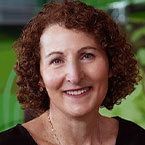 Mary T. Caserta, MD, FAAP, is a Professor of Pediatrics in Infectious Diseases at the University of Rochester Medical Center (URMC) in New York. Her early research focused on human herpesvirus research. Recently, her research has focused on viral respiratory disease. For over 10 years, she also has conducted clinical trials, including vaccine and treatment trials. Dr. Caserta is a fellow of the Infectious Diseases Society of America and a member of the Pediatric ID Society. Dr. Caserta is a member of the American Academy of Pediatrics Committee on Infectious Diseases. Mary T. Caserta, MD, FAAP, is a Professor of Pediatrics in Infectious Diseases at the University of Rochester Medical Center (URMC) in New York. Her early research focused on human herpesvirus research. Recently, her research has focused on viral respiratory disease. For over 10 years, she also has conducted clinical trials, including vaccine and treatment trials. Dr. Caserta is a fellow of the Infectious Diseases Society of America and a member of the Pediatric ID Society. Dr. Caserta is a member of the American Academy of Pediatrics Committee on Infectious Diseases.
|