By: Christopher Buresh, MD, MPH, DTM&H, FAAP, FACEP
The teen years bring plenty of changes, making it hard for parents to know when a behavior is part of normal development and when it may signal a problem. If you're concerned about changes in your child's mood, energy level, sleep or behavior, it may be helpful to understand how stimulants can affect teens.
What are stimulants?
Stimulants are medicines or drugs that speed up activity in the brain and body. Some teens use stimulants that are prescribed by a doctor to treat ADHD, while others may misuse a prescription stimulant or take illegal stimulants.
Whether prescribed or misused, stimulants can affect sleep, appetite, mood, heart rate and behavior. Here's what parents need to know about stimulants, how they can affect teens, warning signs of misuse and when to seek help.
How can stimulants affect teens?
Stimulants raise levels of brain chemicals such as dopamine and norepinephrine, which help control alertness, attention and energy. Because of these effects, stimulants can make people feel more awake, focused or energetic.
Someone misusing stimulants might:
Seem unusually energetic
Talk very quickly
Jump from one idea to another
Appear restless, fidgety or impulsive
Have trouble sleeping
Eat less (reduced appetite)
Stimulant misuse can also increase heart rate and blood pressure and may cause sweating or overheating.
What can happen at higher doses?
At higher doses, stimulants can cause many unwanted effects. In addition to the symptoms above, a teen may experience:
At very high doses, stimulants can lead to serious health problems such as:
Effects of long-term stimulant misuse
Long term use of stimulants, when taken inappropriately can also negatively affect mental and heart health.
If someone uses really high doses of stimulants or uses stimulants for a long period of time, they can experience symptoms of withdrawal (symptoms that happen when someone stops taking a drug their body has become dependent on).
Stimulant withdrawal symptoms may include:
Which stimulants are teens using and where do they get them?
Young people are most likely to encounter stimulants such as caffeine or nicotine that are widely available. However, some youth misuse prescription stimulant medications that are intended to treat conditions like ADHD. These medications include drugs such as amphetamine/dextroamphetamine (such as Adderall) or methylphenidate (including Concerta).
Stimulant misuse means taking a stimulant when not medically necessary or in ways that are not prescribed. National surveys estimate that about 1.2% of youth ages 12–17 report using stimulants in the past year in ways that were not prescribed or recommended.
Prescription stimulant misuse
When prescription stimulants are misused, they most often come from friends, classmates or family members. For example, a teen may be offered medication by a friend, share their own medication with someone else or take medication that was prescribed for someone else in their family.
Illegal stimulants
Some adolescents (less than 1%) may use illegal stimulants such as cocaine, methamphetamine (also known as "meth"), or MDMA (also called "Molly" or "ecstasy").
Illegal stimulants are particularly dangerous because they are far more potent than prescription stimulants. They are also at high risk of being mixed with other harmful substances since they are not manufactured in a controlled setting like prescription drugs.
Some illegal stimulants or counterfeit pills may contain
fentanyl or other synthetic drugs without a person's knowledge. Even a very small amount of fentanyl can be dangerous or fatal. This is one reason any non-prescribed pill or substance should be considered unsafe.
Teens may get illegal stimulants from friends, family or may connect with dealers online through social media, gaming platforms or other messaging apps.
What are possible signs of stimulant use?
The most common signs of substance use, including stimulant use, in teens include sudden changes in mood, behavior, appearance, interests, relationships and and/or daily routines. Some changes are a normal part of adolescence. However, significant changes from your child's usual behavior—or several changes happening at the same time—may be reason for concern.
You may notice a pattern of acute stimulant intoxication soon after a teen uses a stimulant (unusually high energy levels, rapid speech, restlessness or impulsive behavior, difficulty concentrating or thinking clearly and sleeping very little) and periods of stimulant withdrawal (seeming extremely tired, sad, irritable or withdrawn and may sleep much more than usual, as noted above).
In addition, you may notice signs of drug possession or that your teen is getting substances through online sources, sometimes called the "digital drug market." Signs to watch for include:
Increased secrecy
Arrival of unusual packages
Frequent use of coded or disappearing message apps
Use of confusing emojis/slang
Increased use of money transfers
Are stimulants addictive?
Yes. Stimulants can be addictive, especially when someone is using illegal stimulants or misusing stimulants. These drugs affect the brain’s reward system (which controls good feelings) and can produce short-lived feelings of energy or euphoria (a strong feeling of happiness).
Repeated stimulant use changes how the brain works and responds to the drug and can result in physical and psychological dependence. Excess use can make it hard to feel normal without the drug and can lead to a condition of compulsive (irresistible) use despite harms known as addiction or a stimulant use disorder (see more on this, below).
What if my child takes a stimulant medication for attention-deficit/hyperactivity disorder (ADHD)?
Stimulant medications are commonly used to treat ADHD. When taken as prescribed and monitored by a health care professional, these medications are safe and effective. Medical use of prescription stimulant medications is different from illegal stimulants in several important ways. Prescription stimulants have been carefully studied for treating ADHD.
Health care providers monitor children for benefits and possible side effects. The medications are produced under strict quality standards, and doses are adjusted to provide the greatest benefit with the lowest risk. They are also free of contaminants or other substances.
In addition, prescription stimulants are much less potent than illegal stimulants. Many ADHD medications are also designed to release the medication slowly over time. This helps provide steady symptom control and lowers the risk of misuse compared with drugs that act very quickly like illegal stimulants or shorter acting formulations.
However, if an individual misuses a prescription stimulant by taking it at doses higher than prescribed, via alternative routes than prescribed or takes a prescription drug when not necessary or prescribed to them (even at a "normal" dose) these drugs can have negative effects on the body.
What should I do if I am concerned about stimulant use?
People who are using stimulants may lose control of their use and develop a stimulant use disorder. These individuals often are using more stimulants than they meant to or have a difficult time cutting back or stopping. They may have had to use increasing amounts to get the same effect, as well as withdrawal symptoms like extreme sleepiness or low mood when they stop using. They may have had their use damage relationships, interfere with school or work or even had injuries or health problems related to their use, but they still cannot stop using.
Stimulant use disorder (StUD) is a medical condition, and treatment is available. Treatment may include medications, counseling, behavioral therapies and/or support for related mental health concerns.
If you are worried that your child or teen may be misusing stimulant medication or using illegal stimulants, start by talking with them about your concerns. Try to keep the conversation calm and supportive. You should also contact your pediatrician or another health care professional. They can help evaluate what is going on and connect your family with the right care and support.
If you need help finding treatment or support, you can call or text 988 for mental health support. You can also contact the SAMHSA National Helpline at 1‑800‑662‑HELP (4357) for private help finding treatment and resources in your area.
More information
About Dr. Buresh
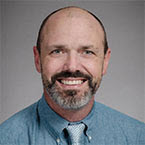 Chris Buresh MD, MPH, DTM&H, FAAP, FACEP, is a general pediatrician and emergency medicine doctor working in the emergency rooms at the University of Washington and Seattle Children’s Hospital. He has been involved in education and drug user health for many years. He and his wife have four incredible kids and two big goofy dogs.