By: Robin K. Blitz, MD, FAAP & Cora Breuner, MD, MPH, FAAP
If you have an autistic child or teen, you may be considering complementary and integrative therapies. Maybe you're looking for extra help with your child's communication or behavior. Or you want to find some relief for their sleep problems.
A lot of parents have tried these therapies for their autistic child. But many say they do not tell the doctor about what they use. Before adding therapies for your child, it's helpful to talk with your pediatrician. They can offer science-based guidance and keep you informed about current therapies to support your autistic child's healthy development.
Complementary and integrative: what do they mean?
Here's a closer look at the meaning of these common terms.
- Complementary: The treatment or therapy is used along with conventional science-based care. Acupuncture used to treat migraine headaches is an example of complementary therapy.
- Integrative: The blending of complementary and conventional therapies. It focuses on a strong partnership with your pediatrician. Conventional care is combined with extra therapies that are safe and helpful.
- Alternative: The therapy is not science-based or recommended by your child's pediatrician. Often these are used instead of conventional care. (This approach is not recommended.)
Examples of complementary and integrative therapies
Some of these complementary therapies may be recommended by your child's pediatrician as part of their overall treatment plan.
Examples include:
Safety tips before trying new therapies
Few studies have been done on the benefits and safety of complementary therapies for autistic children. Here are a few things to keep in mind.
These therapies are usually not covered by insurance, so they can be costly.
Sometimes, these treatments can interact with medication that your child has been prescribed. (Seizure medications are one example.)
They should not take the place of your child's usual doctor-recommended and approved treatments. For example, using supplements to manage your child's autism and seizures instead of prescription medication can be extremely dangerous or deadly. Even supplements that are labeled as "natural" or "organic" can cause side effects and interfere with other medications.
Dietary supplements are not regulated by the
federal government as strictly as medicine. Supplements are treated as food ingredients, not as medicine. However, it is possible to take
too much of a vitamin or supplement. This can be dangerous.
Be wary of treatments such as hyperbaric (pressurized) oxygen, secretin (a gastrointestinal hormone), chelation therapies and antifungals. These treatments are not scientifically proven to improve communication or behavior. In fact, they can be hazardous and expensive.
Some children follow a special diet or take vitamins for medical reasons. Before making big changes, talk with your doctor about your child's diet and nutritional needs.
Supports and services for autism often involve a combination of therapies. Reach out to your pediatrician about all aspects of your child's care.
What to know about leucovorin
The American Academy of Pediatrics (AAP) recommends that any new intervention be carefully studied for both potential benefits and risks before issuing any recommendations. This applies to all children, including autistic children. The AAP
does not recommend routine use of leucovorin (folinic acid) for autism. It supports continued research into all therapies that could support the health and development of autistic kids.
Remember
It's important to discuss every part of your child or adolescent's care with your pediatrician. This includes any new intervention. If you have questions about autism, your pediatrician can offer guidance and support as you work together to ensure your child can be healthy and thrive.
They can match support and services with your child's individual needs and connect your family with therapies that have been proven to support your child's development. These can include speech therapy, occupational therapy and learning help through an
Individualized Education Program (IEP).
More information
About Dr. Blitz
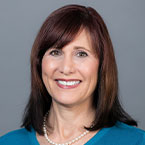 Robin K. Blitz, MD, FAAP is a board-certified developmental-behavioral pediatrician and a fellow of the American Academy of Pediatrics (AAP) and Society for Developmental and Behavioral Pediatrics.
 For 30 years, Dr. Blitz provided care for children with disabilities, educated providers, residents, students, school personnel and families, and directed multidisciplinary programs prior to joining UnitedHealthcare (UHC). She serves as the medical director of the UHC Special Needs Initiative /Family Engagement Center national advocacy program. She is a member of the AAP Council on Children with Disabilities Executive Committee. She has served in organizations and committees, locally and nationally, including the AAP Autism Subcommittee, the Bureau of Indian Education Advisory Board for Exceptional Children, Make-A-Wish Foundation, Down Syndrome Medical Interest Group, and the National Center for Pediatric Palliative Care Homes.
|
About Dr. Breuner
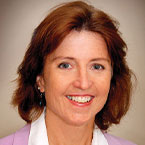 Cora Breuner, MD, MPH, FAAP, is chair-elect of the AAP Section on Integrative Medicine and former chair of the AAP Committee on Adolescence. She directs the Adolescent Biofeedback Clinic Seattle Children's Hospital, where she consults on inpatient wards and directs the complementary medicine elective for medical students and pediatric residents. Her research focuses on educating medical students and residents complementary medicine as part of health care, and including yoga as part of overall treatment for eating disorders and biofeedback for chronic pain. Cora Breuner, MD, MPH, FAAP, is chair-elect of the AAP Section on Integrative Medicine and former chair of the AAP Committee on Adolescence. She directs the Adolescent Biofeedback Clinic Seattle Children's Hospital, where she consults on inpatient wards and directs the complementary medicine elective for medical students and pediatric residents. Her research focuses on educating medical students and residents complementary medicine as part of health care, and including yoga as part of overall treatment for eating disorders and biofeedback for chronic pain. Dr. Breuner has many publications on safety and effectiveness of integrative and holistic medicine and on eating disorders. She lectures in the United States, Canada and Europe on topics such as integrative and holistic medicine in pediatrics, eating disorders and the adolescent patient and athlete. She has three fabulous adult children, a recently retired partner, a rambunctious golden doodle and loves to travel, play fiddle, teach Zumba, hike and go on adventures. |