By Nicole Anania, DO, MS, FAAP
If your child's doctor mentions "faltering weight," you're not alone. The condition affects up to 1 in 10 children seen in primary care clinics. Faltering weight means your child may not be gaining enough weight or may be losing weight, or the doctor is concerned about the child's weight.
Pediatricians use
growth charts to track body measurements and see how a child's weight compares with other kids the same age and sex over time. If your child has faltering weight, their doctor will work with you to look for possible reasons and make a plan.
Here are answers to common questions parents may have about faltering weight and ways families and care teams can support healthy weight gain.
How do doctors diagnose faltering weight?
Faltering weight is diagnosed with a detailed health history, including a child's growth over time, and physical exam.
Does my child need to have any lab work or tests?
In some cases, labs or other tests may be needed. Most of the time, lab work and tests are not needed. Your child's doctor will let you know if they are needed.
How is faltering weight treated?
The treatment for faltering weight is based on the cause or causes of the faltering weight. It will also depend on your child's feeding history. It may include changes to your child's diet, changes to the way your child is fed or both. Your child’s care team will work with you to create a plan that fits your child’s needs.
Why is it important to treat faltering weight?
Children with faltering weight who are not treated may become malnourished (not taking in enough nutrients or foods essential for health and growth). Children with faltering weight may be sick more often and experience a delay in their development.
My child's doctor says my child has a z-score of -2. What is a z-score?
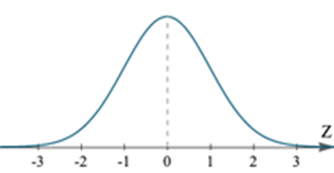 A z-score is a number that shows how close your child’s growth measurement is from the average for children the same age and sex. The number may be a positive number (greater than 0) or a negative number (less than 0).
A child with a positive z-score or a number higher than 0, means the child's weight is higher than the average child of the same age and sex.
A child with a negative z-score or a number lower than 0, means the child's weight is lower than the average child of the same age or sex.
Why do we need a z-score? Can't we just follow the weight or look at the growth chart?
Your child's doctor will still follow your child's weight and plot it on the growth chart. The z-score adds additional information that will allow your child's doctor to evaluate your child's growth over time.
Does my child need a specialist?
Your child may be referred to a dietitian or a social worker to assist you in your child's treatment. Depending on your child's history and physical exam, your doctor may also decide to refer you to another doctor (a gastroenterologist, endocrinologist, ear, nose & throat doctor, geneticist, or other specialist).
My child was referred for feeding therapy. What is feeding therapy?
Feeding therapy is provided by trained specialists, often speech-language pathologists or occupational therapists. A child is referred to feeding therapy to work on feeding behaviors that may be contributing to weight concerns. The feeding therapy professional will provide you with a specific plan after a detailed evaluation and assessment of the needs of your child.
I was told to increase the calories that my child eats. How do I do that?
Your child may be referred to a dietitian to help evaluate your child's current diet and determine the best way to increase the calories that your child eats. Your provider may also give you specific information regarding the preparation of formula or breastmilk for your child or specific foods to give your child.
What does it mean to supplement my child's diet?
Supplementation is used to add extra calories to your child's diet. Your child may be referred to a dietitian to help determine how best to supplement your child's diet. Your provider may also make specific recommendations about ways to supplement your child's diet.
More information
About Dr. Anania
 Nicole Anania, DO, MS, FAAP, served as the Implementation Scientist on the recently published American Academy of Pediatrics Faltering Weight Clinical Practice Guideline. Most recently, she was a Professor of Pediatrics at the University of Kentucky and Medical Director for Inpatient Pediatrics at Med Center Health in Bowling Green, Kentucky. Prior to that, she served as a Master Clinician and Director of Quality Improvement for the Outreach Division of Ann & Robert H. Lurie Children's Hospital of Chicago and has extensive experience working with children with medical complexity and faltering weight. Nicole Anania, DO, MS, FAAP, served as the Implementation Scientist on the recently published American Academy of Pediatrics Faltering Weight Clinical Practice Guideline. Most recently, she was a Professor of Pediatrics at the University of Kentucky and Medical Director for Inpatient Pediatrics at Med Center Health in Bowling Green, Kentucky. Prior to that, she served as a Master Clinician and Director of Quality Improvement for the Outreach Division of Ann & Robert H. Lurie Children's Hospital of Chicago and has extensive experience working with children with medical complexity and faltering weight.
|