By: Amruta Padhye, MD, FAAP
Tuberculosis (TB) is an infectious disease caused by germs that spread through the air. It usually attacks the lungs but can also affect other parts of the body.
Some children and teens have a greater risk of getting a TB infection. Here's what parents need to know.
What causes tuberculosis in children?
In the U.S., tuberculosis is mostly caused by bacteria known as
Mycobacterium tuberculosis. The germs can cause two related problems.
TB infection (also called inactive TB or latent TB) is when a person has bacteria in the body, but they do not have symptoms or signs of illness. They cannot spread it to others.
TB disease (also called active TB) is when a person has symptoms of illness. They can spread it to others.
How TB spreads—and how kids are exposed
TB germs get into the air when an infected person coughs or talks. The germs can stay in the air for hours and infect others who breathe them in.
Younger children with TB disease of the lungs are less likely to spread it to others. They tend to have less bacteria in their mucus and their cough is not as effective at spreading germs.
Recent outbreaks in the U.S. show TB can spread in schools.
Kansas had a large TB outbreak in in 2025. Outbreaks continue in 2026, including at a
San Francisco high school.
TB symptoms to watch for in children and teens
Most children and teens who are exposed to tuberculosis do not look or act sick. When the bacteria reach their lungs, the immune system responds before symptoms appear. This symptom-free infection can be diagnosed with a TB positive blood test or skin test.
Even if your child has a symptom-free TB infection, they still need medical treatment. Getting treated will help reduce the risk that the infection will turn into symptomatic TB disease. This usually happens within first two years of infection, but TB disease can show up years or even decades later.
The infection can get worse when children do not get treatment. When the lungs are involved, they may have a fever, weight loss or poor weight gain, cough, night sweats and chills.
It can spread to other parts of the body and cause swollen lymph nodes, meningitis, and diseases that affect the bones, joints, skin and other organs.
Tuberculosis can stay "asleep" in the body for many years. It can "wake up" and become an active TB infection later in life. Active TB can be serious, and the infection can spread to others.
Which children are at a higher risk for severe TB disease if infected?
Children under age 5 years old, especially infants. Newborns can become seriously ill with congenital TB if their mother had untreated TB disease during pregnancy or childbirth.
Teens who have started puberty. Children or teens of any age with immunodeficiency, who take medication that affects the immune system, or who have an underlying medical condition.
Children who live in a household with someone who has TB infection or disease.
Anyone who was born in a country where TB is
more common.
Those who have traveled to a location where TB occurs more often and had extended contact with people who live there.
TB tests: how doctors check for tuberculosis
Your child should get a TB test if they were exposed or you think they may have a TB infection.
The only way to check for an infection is through a TB blood test or skin test. These two tests are acceptable for children of any age.
TB blood test, also known as an interferon-gamma release assay (IGRA)
TB skin test, also called a tuberculin skin test (TST)
Your child may need a TB blood or skin test if you answer yes to at least one of these:
Has a family member or close contact had TB disease?
Has a family member had a positive TB blood test or TB skin test?
Was your child or teenager born in a high-risk country (countries other than the United States, Canada, Australia, New Zealand or Western or North European countries)?
Has your child or teenager traveled to a
country with an elevated TB rate?
Does your child or teenager have a condition that affects their immune system?
How do TB tests work?
For the TB blood test, a tiny sample of your child's blood is mixed with TB bacteria. Your child's pediatrician will interpret the results for you.
The TB skin test involves a poke (injection) of test material just under the skin on the arm. The pediatrician checks the skin for swelling and redness 2 to 3 days later. The results are based on the size of the skin reaction and your child's level of risk for TB.
A positive blood or skin test means that your child has a TB infection. Your child should be treated for the infection, even if they do not have symptoms. Treatment reduces the risk that your child will develop active TB disease.
If the blood or skin test is negative, it is possible that they have TB disease and may still need to be treated.
Other tests for TB and how it's treated
The doctor will also ask about your child's symptoms and look for signs of disease. A
chest X-ray can check the lungs for active or past disease. Based on the X-ray results, your child may be checked for TB bacteria in their cough secretions or in their stomach.
These clues can help the pediatrician decide on the best treatments, including prescription medications.
Treatment may last 4 to 12 months, depending on how severe their illness is and the type of infection. It may be started in the hospital and continued at home. Your child's condition will be monitored by pediatric infectious disease specialists and the local public health department to make sure the medications are working.
If your child's TB test is positive but they do not have symptoms or signs of tuberculosis disease and have a normal chest X-ray, they still have TB infection. Your pediatrician will prescribe medications to help prevent TB disease. This is usually one or two medications, based on your child's age and ability to swallow pills. The treatment can be for as short as 3 months or as long as 9 months.
Make sure your child takes and finishes TB medications as directed.
How to control the spread of TB
If your child is infected with TB, it is very important to try to identify the person they got it from. Usually, this is done by looking for symptoms of TB in everyone who came into close contact with your child. The most common symptom in a contagious person, usually an adult, is a lasting cough, especially if they have mucus or are coughing up blood.
Your local public health department and pediatrician can help identify others who should get tested. They may recommend a TB blood or skin test for all close contacts (for example: family members, babysitters, housekeepers). Close contacts may need to be tested more than once. It can take up to 8 to 10 weeks from the time of infection for a positive TB blood or skin test to show up. Anyone who has a positive result should be checked out by a medical professional, get a chest X-ray, and start treatment for TB infection or disease.
After the source of the child's TB infection or disease is identified, other contacts of that person will also need to be checked for TB.
Close contacts who have a weak immune system and children younger than 5 years should start treatment for TB infection even if they do not have symptoms and their TB blood or skin test is negative. They will need to be retested 8 to 10 weeks after the last known exposure and their doctor can help determine the treatment plan.
Anyone who has contagious TB disease should stay away from others—especially from young children—until treatment is underway. The local public health department can let them know when they are no longer contagious.
What parents should keep in mind about TB
To keep your children and family safe, avoid close contact with anyone known to be contagious for TB disease. If there are outbreaks of TB in your community, follow guidance from your local or state public health department. Talk with your pediatrician if you have any questions about TB or other infectious diseases.
More information
About Dr. Padhye
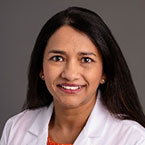 Amruta Padhye, MD, FAAP, is board-certified in Pediatrics and Pediatric Infectious Diseases. She is the division chief for Pediatric Infectious Diseases at University of Missouri Children's Hospital in Columbia, Mo. Her interests include vaccine preventable diseases and medical education. Amruta Padhye, MD, FAAP, is board-certified in Pediatrics and Pediatric Infectious Diseases. She is the division chief for Pediatric Infectious Diseases at University of Missouri Children's Hospital in Columbia, Mo. Her interests include vaccine preventable diseases and medical education.
|