By: Susy Jeng, MD, FAAP & Eliza Gordon-Lipkin, MD, FAAP
There are many reasons your pediatrician may refer your child to a pediatric neurologist. Also called child neurologists, these doctors care for the brain and nervous system. The nervous system includes the brain, spine, nerves, and muscles.
When should your child see a neurologist?
Your child may be referred if they have conditions like an abnormally sized head, headaches, numbness, weakness, trouble with balance, double vision, or fainting or unusual spells (such as shaking or staring). Other reasons include unusual movements or delays in development, or if your child loses skills they once had.
In these cases, your pediatrician may want a child neurology specialist to help figure out what is causing the symptoms and how to treat them.
Whatever the reason, here's some information that can help you prepare for a neurology appointment and know what to expect.
How can I prepare for this appointment?
It will be helpful to collect the following information before the visit:
Medical records (which may be from several medical systems). Keep in mind that the visit will be much more productive if you can collect and bring records from your pregnancy, your child’s birth history, visits with specialists and other hospitalizations or emergency visits. This includes records of blood tests, procedures and imaging. For imaging, it helps to have the actual images burned onto a CD to bring to the appointment.
Family history. Ask family members about any health or developmental issues they have had, particularly when young, and especially related to your child’s symptoms.
Timeline of your child’s developmental milestones, like sitting, walking and talking. Baby books, old photos or videos, or pediatrician check-up notes may help with this.
Videos of movements or behaviors of concern for your child
Log of events. A diary of headaches, abnormal movements, concussions or dates when specific symptoms appeared will make it easier for the neurology team to have an accurate medical history.
What happens during a neurology appointment?
A neurology appointment typically includes asking about the following:
Taking your child's medical history
A neurology appointment usually begins with questions about your child's medical history. The neurologist will ask about:
the pregnancy, including whether any neurologic or genetic testing was done before birth
the delivery, and any health issues during the newborn period.
health concerns that developed later, as well as other specialists your child has seen and any diagnoses already made.
neurologic symptoms that may come and go or may progress over time. They’ll ask you to think about what triggers these symptoms, and what makes them better or worse.
Family history
The neurologist will ask about three generations of your family—your child and their siblings, both parents and their siblings and all grandparents.
They'll want to know whether any relatives have health or developmental issues, and especially whether there are any relatives with headaches, seizures, epilepsy, weakness, numbness, abnormal movements, development delays or neurodegenerative conditions.
Development
The neurologist will also ask about your child's developmental milestones, such as when they began walking or said their first words. If your child has had developmental testing, bring those results—they're important for the evaluation.
Physical exam
In all cases, the neurologist will do a detailed neurologic physical exam, looking for physical features that may offer clues about your child's condition. Neurologists often use specialized tools like ophthalmoscopes and reflex hammers and will engage your child in "games" that test vision, coordination, sensation, strength and balance.
The physical findings help determine whether further diagnostic testing may be useful, or whether the diagnosis can be made from the history and physical exam alone.
Types of testing
Depending on the possible diagnosis, there are categories of testing that may be useful. Possible tests include:
Labs looking at specific chemicals in your child’s blood or urine. Genetic testing is a separate category that may need insurance preauthorization.
A brain or spine CT scan or MRI scan. A CT scan is done with radiation and is a quick procedure. An MRI scan is done using a magnetic field, and is typically an outpatient procedure but may need to be done under sedation if your child is unable to lie still for 30-60 minutes.
An EEG (electroencephalogram). This is typically an hour-long outpatient procedure when electrodes are attached to the scalp in various places and the brain’s electrical activity is recorded. This is similar to an EKG for the heart, but longer and with more tracings for different parts of the brain.
A lumbar puncture (spinal tap) to get a sample of cerebrospinal fluid (the fluid around the brain and spinal cord), or to measure the pressure within the central nervous system. This is typically an outpatient procedure but may need to be done under sedation.
An EMG (electromyelogram) and NCS (nerve conduction study). These test the function of specific muscles and nerves. This is typically an outpatient procedure but may need to be done under sedation.
Pro tip: There is a lot of talking that goes into a neurology visit, and young kids can get easily bored. It's a good idea to have quiet activities or toys your child can play with while you are talking to the neurologist.
Referrals
Sometimes the neurologist may recommend that your child see another specialist, such as a neurosurgeon, geneticist, developmental-behavioral pediatrician or psychiatrist. There can be many reasons for this. Often, the goal is to learn more about whether your child has medical issues related to that specialty. This information can help guide testing and support your child’s long-term care.
After the appointment, what's next?
Your child saw a neurologist, and testing was ordered. What are the next steps?
The wait
Unfortunately, results from testing can take a while to come back. Some tests take about 2-3 weeks, while others can take up to 4-8 weeks or even longer. It may also take time to get authorizations for procedures and imaging. A procedure may be scheduled for several months later, especially if sedation is required. If anything changes with your child’s condition while waiting for the procedure or the results, contact your neurologist.
The results
Some results are conclusive, giving a straightforward diagnosis. Others are inconclusive and may require further testing. Your neurologist will interpret the results based on your child’s medical concerns, and will discuss what the results mean for your child.
Follow-up
Follow-up care in a neurology clinic will be different depending on your child's diagnosis and treatment plan.
If history, physical exam and testing leads to a diagnosis: Some neurologic conditions need regular follow-up with the neurologist for specific care and monitoring. For example, a child with seizures will need to be followed to maintain seizure control and ensure an appropriate dose of seizure medication. Please continue to keep a log of events to be reviewed at each visit.
If testing was inconclusive or negative: Because the field of neurology is always advancing, new discoveries or improved testing methods may identify a neurologic condition that wasn't detectable before. Symptoms may also change and give new clues to the diagnosis.
Your neurologist will discuss when they would like to see your child again and what to expect moving forward.
More information
About Dr. Jeng
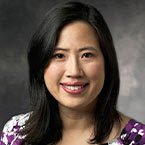 Susy Jeng, MD, FAAP, is a general child neurologist and Clinical Associate Professor of Neurology at Stanford Children’s Hospital at Stanford University. Dr. Jeng is a member of the American Academy of Pediatrics (AAP) Section on Neurology with an interest in medical education. She serves as an associate program director for the Stanford medical student neurology program.
About Dr. Gordon-Lipkin
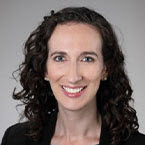 Eliza Gordon-Lipkin, MD, FAAP, a member of the AAP Section on Neurology, is a child neurologist at the National Human Genome Research Institute within the National Institute of Health in Bethesda, Maryland. Dr. Gordon-Lipkin has special expertise in neurodevelopmental disabilities and sees patients with a broad spectrum of genetic and developmental disorders.