Fiber is an important nutrient that most children (and parents) are not getting enough of each day. As parents, you do your best to feed your family healthy foods, but you may need help with choosing good sources of fiber.
How Much Fiber Do Children Need?
There are different fiber recommendations for children based on energy needs, age, or weight.
- Eat 5. A simple way to make sure your children are getting enough fiber is by making healthful food choices. If your children are eating at least 5 servings of fruits and vegetables each day along with other foods that are good sources of fiber, there is really no need to count fiber grams.
- Add 5. If you find it helpful to keep track of numbers, add 5 to your children’s age. For example, a 5-year-old would need about 10 grams of fiber each day. Note: The total daily recommended amount of up to 25 grams for adults can be used as a general guideline for children.
Why is Fiber Important?
Fiber helps make us full and keeps things moving in the digestive tract. A diet that includes good sources of fiber may help prevent constipation. These foods also are good sources of nutrients and vitamins that may help reduce the risk of heart disease, certain types of cancer, and obesity.
Good sources of fiber include:
- Vegetables
- Fruit
- Beans
- Peas
- Nuts
- Fiber-rich whole-grain breads and cereals
How Do You Read Nutrition Facts?
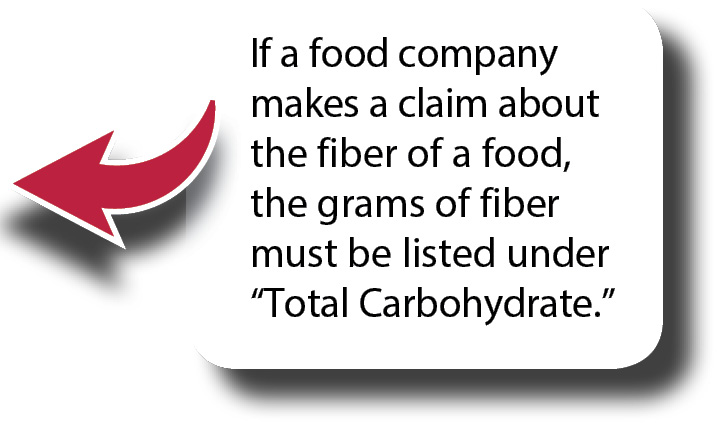
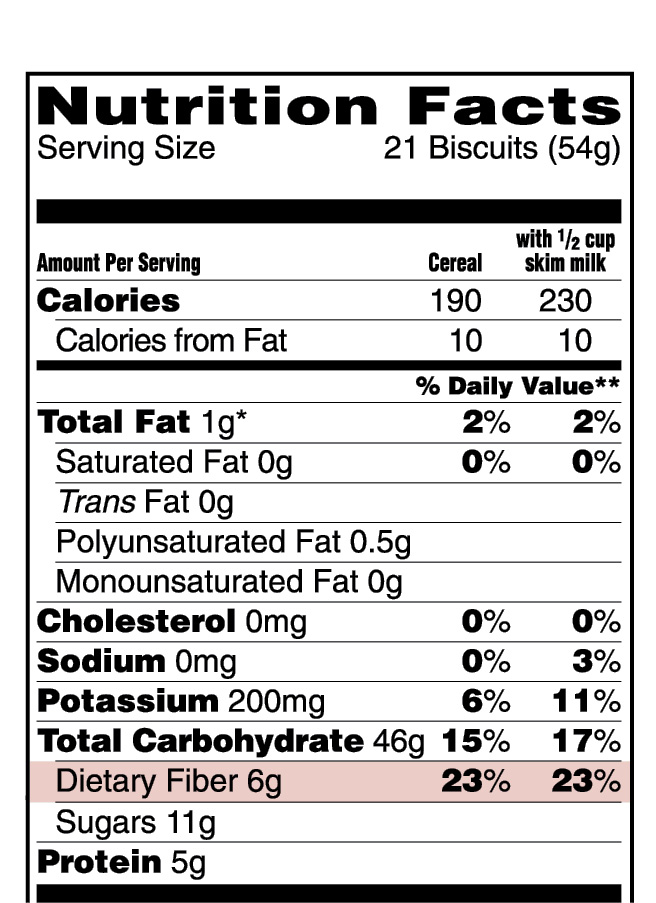 Nutrition Facts can tell you all about the nutrients and ingredients in a food. Nutrition Facts can help you choose foods that provide the nutrition that’s right for you, including fiber. Dietary fiber is a nutrient listed under “Total Carbohydrate” on the Nutrition Facts.
- Excellent sources of fiber have 5 or more grams of fiber per serving.
- Good sources of fiber have at least 3 grams of fiber per serving.
Look at the list of ingredients if you want to know if a food is made with whole grains.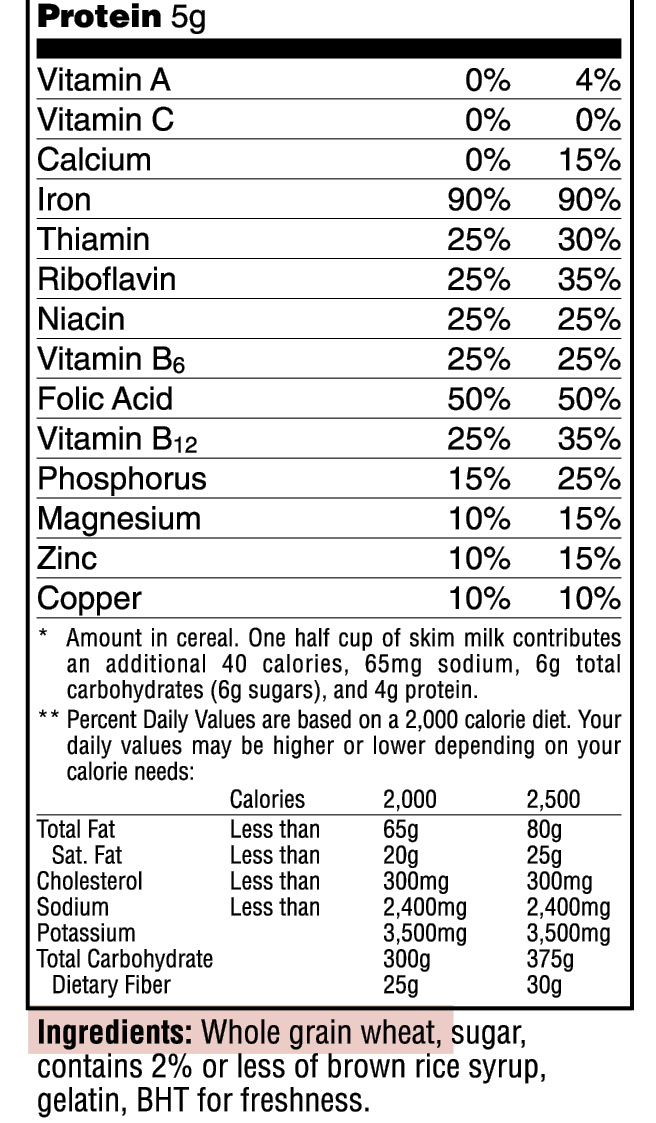
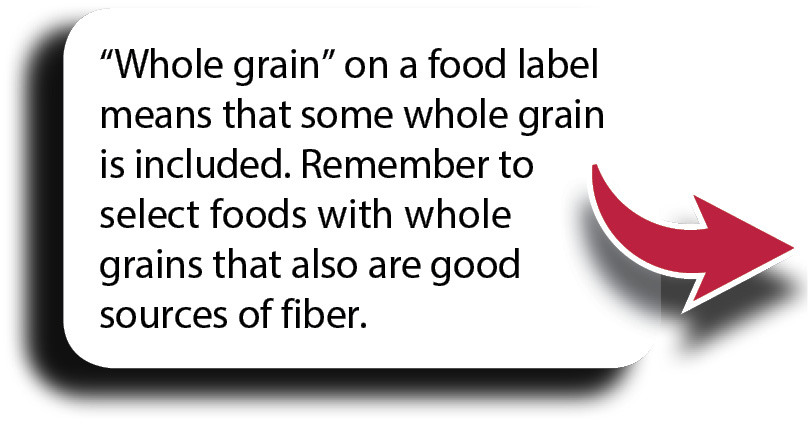
- Not all foods labeled “whole grain” are a good source of fiber. Grains vary widely in their fiber content. For example, whole-grain wheat has more fiber than whole-grain brown rice or whole-grain oats.
- The amount of fiber in a whole-grain food can vary by brand.
- Whole grains include whole wheat, brown rice, bulgur, buckwheat, oatmeal, whole-grain cornmeal, whole oats, whole rye, and wild rice.
Additional Information